Rutgers researchers publish largest study on outcomes associated with hospital-based peer support programs after opioid overdose

Rutgers researchers publish largest study on outcomes associated with hospital-based peer support programs after opioid overdose
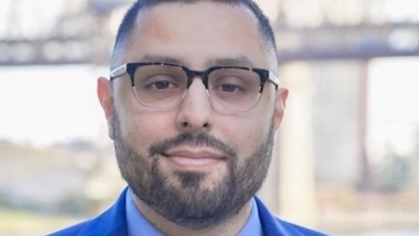
April 12 is National Day of Silence. Dr. Gabriel Robles, Assistant Professor & Chancellor's Scholar for Inclusive Excellence in Sexual and Gender Minority Health, explains what this day means to him and shares ideas for social workers to better support LGBTQ+ individuals.

The Social Work Policy Network sends weekly resources regarding national & local legislature, events, as well as media.
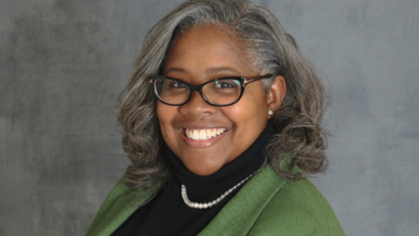
April is Autism Awareness Month. Dr. Tawanda L. Hubbard, Associate Professor of Professional Practice at Rutgers School of Social Work, explains what this month means to her and shares ideas for social workers to support individuals and families living with autism.

The Social Work Policy Network sends weekly resources regarding national & local legislature, events, as well as media.
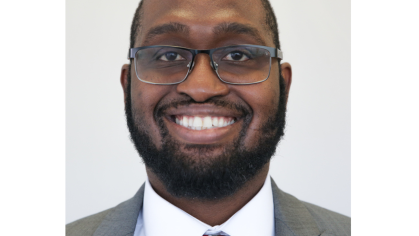
Assistant Professor Adrian Gale discusses his research interests and how they are grounded in inclusion, intersectionality, diversity, equity and advancement (IIDEA) with MSW student and IIDEA research assistant Calvin Ryan.

The Social Work Policy Network sends weekly resources regarding national & local legislature, events, as well as media.

March is Social Work Month, and the National Association of Social Workers’ theme for Social Work Month 2024 is “empowering social workers.” Thomas Benjamin, senior project coordinator and member of the Inclusion, Intersectionality, Diversity, Equity, and Advancement (IIDEA) Committee at Rutgers University School of Social Work, spoke with Rutgers University Associate Professor of Social Work Dr. Joy Jeounghee Kim about her research on social work licensure, earnings, and gender disparity within the social work profession.
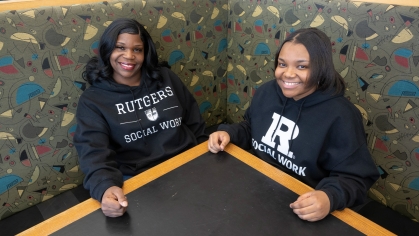
The mother-daughter duo plans to enter the master of social work program at Rutgers this fall
Rutgers School of Social Work will be represented at the National Association for Social Workers New Jersey (NASW-NJ) Annual Conference from April 14-16, 2024 by a number of presentations and learning opportunities being hosted by our faculty and alumni.